Reading study / 01 / Focus
Focus has a depth
A lens is focused at a particular distance, yet objects slightly nearer or farther away can still look sharp enough. Depth of field describes that useful interval, with an important condition: sharp enough for what?
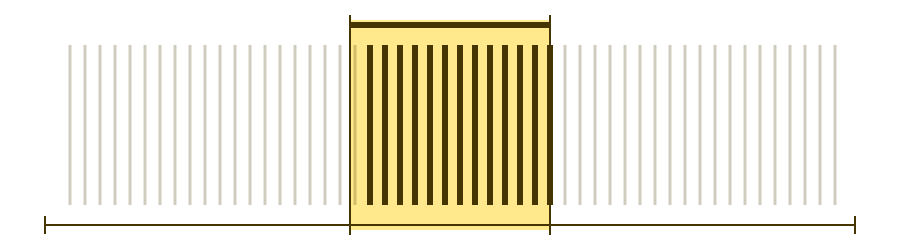
Start with the detail
Depth of field concerns changes in object distance while the lens stays focused. It is different from depth of focus, which concerns the position of the image plane or sensor. Keeping those two spaces separate makes a technical description easier to interpret.
The acceptable interval depends on the detail and contrast required. Recognizing a broad shape may tolerate blur that would hide fine lettering. There is no single depth-of-field number that answers every imaging question independently of the task.
The aperture changes the compromise
A smaller aperture generally extends the range of object distances that appear acceptably sharp. It also admits less light. If exposure duration increases to compensate, motion may become more visible. The apparently simple decision to stop down therefore connects focus with timing.
Closing the aperture indefinitely does not preserve unlimited detail. Diffraction spreads the image of a point, and can reduce contrast between nearby features. A useful setting balances depth, available light and the detail that needs to remain distinguishable.
A hypothetical arrangement
Imagine photographing three labels placed at different distances on a table. If the purpose is to count the labels, a slightly soft image might suffice. If the purpose is to read their smallest characters, the same photograph might fail. The scene has not changed, but the definition of success has.
A sensible comparison would keep the framing and viewing conditions consistent, focus deliberately, then examine the required characters at each distance. Looking only at a reduced thumbnail could conceal differences that matter in the full image. This is a hypothetical illustration, not a reported test.
Describe depth of field in relation to the feature being judged and the viewing requirement. That context makes a claim of sharpness meaningful.