Reading study / 04 / Color
A display has a color range
A digital image can describe colors that a particular screen cannot reproduce. Color gamut is the range a device or color space can represent. Understanding that boundary helps explain why the same picture can look different along its journey.
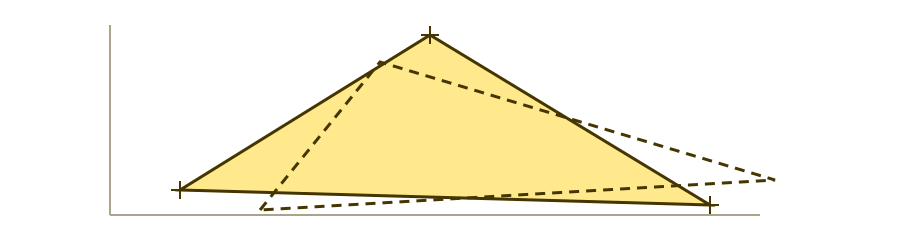
A boundary around reproducible color
Displays produce color using their physical components and control systems. Their reproducible range does not encompass every color a person can see. Color spaces such as sRGB and Adobe RGB define particular reference ranges rather than naming interchangeable quality levels.
If an image contains a color outside a display’s range, that exact color cannot be shown by that display. A reproduction must handle the mismatch. The screen is presenting a version constrained by its capabilities, even when the file itself has not changed.
Ask what a percentage describes
A gamut percentage needs a reference and a definition. Coverage asks how much of a reference range is included. An area ratio compares sizes. Two shapes can have similar areas while overlapping differently, so the same area does not guarantee the same coverage.
A wide gamut also does not establish accurate reproduction on its own. The interpretation of image data, device characterization and viewing conditions matter. An exaggerated-looking color can appear vivid while departing from the intended appearance.
A hypothetical comparison
Imagine a photograph containing a strongly saturated green. One screen can reproduce that green; another cannot. Comparing the screens without considering their ranges could lead to a mistaken conclusion that the file was edited. This is a hypothetical example of a boundary, not a display benchmark.
For a useful comparison, keep the image and viewing conditions consistent and note the color-management settings. Also consider where the image will ultimately be viewed. A reproduction intended for a broad range of screens presents a different question from a controlled display comparison.
Read a gamut claim as one part of an imaging description. It identifies a range, not a complete verdict on the image. When colors differ, follow the file, its interpretation and the display boundary before assuming that any single component explains the result.